https://www.youtube.com/watch?v=E9ecoC-U-S8
As parents who spent two years formulating a truly plant-based soap, we’ve seen firsthand how misleading ‘natural’ labels can be. The FDA doesn’t regulate the term—manufacturers use it freely, even when formulas contain petroleum-derived surfactants, synthetic preservatives, and artificial fragrances hidden behind scientific names. We’ve decoded hundreds of ingredient lists, and we’re sharing exactly what to look for so you can protect your family and make informed choices. Here’s how to spot the petrochemicals hiding in plain sight on your ‘natural’ soap.
TL;DR Quick Answers
What is biodegradable soap?
Definition: Soap formulated with plant-derived ingredients that naturally decompose into non-toxic substances without harming ecosystems.
Key Features:
- Plant-based surfactants (no petroleum-derived cleaners)
- Breaks down within weeks to months in soil
- Free from persistent synthetic chemicals
- Safer for waterways and aquatic life
- Typically gentler on sensitive skin
Best Use: Outdoor activities, eco-conscious households, families with sensitive skin, and anyone seeking to reduce their chemical footprint.
Top Takeaways
- ‘Natural’ has no legal definition. Manufacturers can use this term regardless of ingredients. Always verify by reading the ingredient list.
- Learn the petrochemical red flags. Watch for SLS/SLES, ‘fragrance/parfum,’ PEG compounds, parabens, propylene glycol, and mineral oil.
- Use third-party verification. Resources like EWG Skin Deep, Made Safe certification, and EPA Safer Choice provide objective data.
- True plant-based soaps list recognizable ingredients. Look for saponified oils, specific essential oils, and plant-derived surfactants.
- Regulation gaps require consumer vigilance. Only 13% of cosmetic ingredients have been reviewed for safety. Your best protection is education.
Why ‘Natural’ Doesn’t Mean What You Think
The word ‘natural’ on personal care products is essentially marketing language. Unlike terms such as ‘organic‘ (regulated by the USDA) or ‘drug’ (regulated by the FDA), ‘natural’ carries no legal weight. A soap can contain petroleum-derived ingredients and still bear this label. The result? Parents seeking safer options for their families often unknowingly purchase products containing the same synthetic chemicals they’re trying to avoid.
Common Petrochemicals Hiding in ‘Natural’ Soaps
Watch for these petroleum-derived ingredients on your soap labels:
- Sodium Lauryl Sulfate (SLS) / Sodium Laureth Sulfate (SLES): Synthetic surfactants often derived from petroleum; can strip natural oils and irritate skin.
- Propylene Glycol: A petroleum-derived humectant that helps products retain moisture.
- Parabens (Methylparaben, Propylparaben): Synthetic preservatives with petroleum origins.
- Parfum/Fragrance: Up to 95% of fragrance chemicals are petroleum-derived; one word can hide dozens of undisclosed ingredients.
- PEG Compounds (Polyethylene Glycol): Petroleum-based emulsifiers that may be contaminated with carcinogenic byproducts.
- Mineral Oil/Petrolatum: Refined petroleum products used as moisturizing agents.
How to Read Soap Labels Like a Scientist
Follow this simple process when evaluating any soap:
- Ignore Front-of-Package Claims: Flip the product over immediately.
- Check the Ingredient Order: Ingredients are listed in descending order of concentration. If petrochemicals appear in the first five ingredients, they’re a significant portion of the formula.
- Look for Petroleum Red Flags: Words ending in ‘-eth’ (laureth, ceteareth), ‘PEG-‘ prefixes, and terms like ‘mineral oil’ signal petroleum origins.
- Decode ‘Fragrance’: This single word can represent dozens of undisclosed chemicals. Truly natural products list specific essential oils.
- Cross-Reference with EWG: Use the Environmental Working Group’s Skin Deep database (ewg.org/skindeep) to research unfamiliar ingredients.
What Truly Plant-Based Soap Looks Like
Authentic plant-based soaps feature ingredients you can recognize:
- Saponified oils (olive, coconut, palm kernel)
- Natural glycerin
- Essential oils (listed individually, not as ‘fragrance’)
- Plant-derived surfactants (coco-glucoside, decyl glucoside)
- Natural colorants (clays, botanicals)
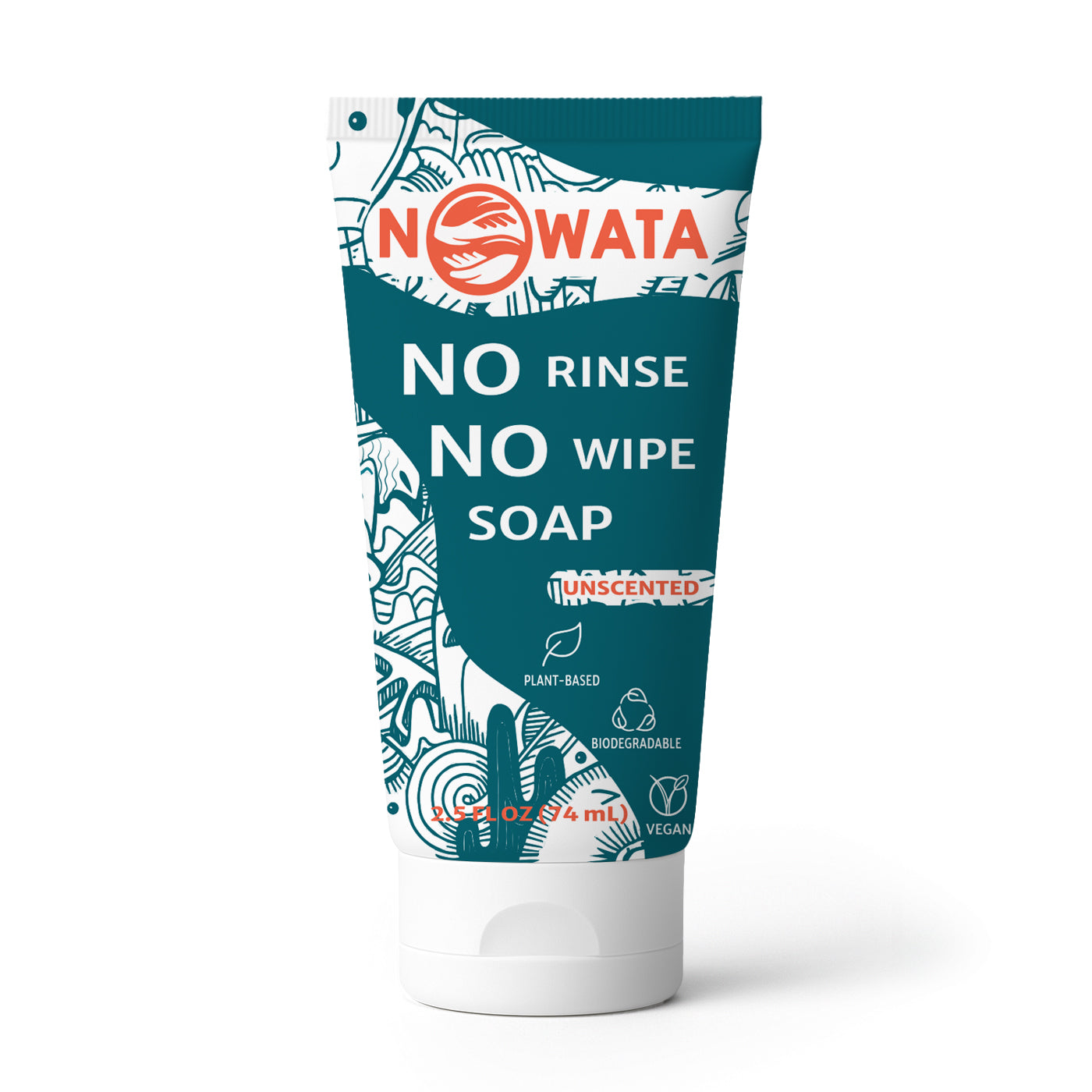
“When we developed NOWATA, we refused to hide behind vague terms like ‘natural.’ Every ingredient in our formula is plant-based, biodegradable, and serves a specific purpose—because families deserve transparency, not marketing language.”
— Dr. Ruslan Maidans & Dr. Yalda Shahriari, NOWATA Founders
The Numbers Behind the ‘Natural’ Soap Problem
These statistics reveal why scrutinizing ‘natural’ claims matters:
- Only 13% of cosmetic ingredients reviewed: According to the Environmental Working Group, just 13% of the thousands of ingredients in personal care products have been assessed for safety—even by the industry’s own review panel. (Source: EWG.org/skindeep)
- 22% of products contain concerning contamination: Research found that 22% of conventional personal care products may contain unsafe levels of 1,4-dioxane, a contaminant linked to petrochemical ingredients. (Source: EWG Skin Deep Database)
- 4 gallons per handwash: According to EPA WaterSense data, washing hands with the water running uses approximately 4 gallons per wash—and every drop carries soap residue into waterways. (Source: EPA.gov/watersense)
- 10,500+ unique chemicals: Personal care products contain over 10,500 unique chemical ingredients, many of which are known or suspected carcinogens, reproductive toxins, or endocrine disruptors. (Source: EWG)
7 Essential Resources to Make Informed Soap Choices
1. EWG Skin Deep Database
Search over 130,000 products and ingredients to understand potential health hazards. Essential for verifying any soap’s true composition. ewg.org/skindeep
2. FDA Cosmetics Labeling Guide
Learn federal requirements for cosmetic ingredient labeling directly from the regulatory source. fda.gov/cosmetics/cosmetics-labeling-regulations/cosmetics-labeling-guide
3. USDA National Organic Program
Understand what ‘organic’ legally means and how to verify legitimate organic certifications. usda.gov/topics/organic
4. EPA Safer Choice Program
Identify cleaning and personal care products that meet EPA’s safer chemical criteria. epa.gov/saferchoice
5. Made Safe Certification
Independent certification that screens products against known harmful chemicals. madesafe.org
6. Campaign for Safe Cosmetics
Stay informed about ingredient safety issues, industry trends, and policy changes. safecosmetics.org
7. NIH TOXNET Database
Access comprehensive toxicology data on specific chemicals when you need detailed scientific information. nlm.nih.gov/toxnet
Our Perspective: Transparency Should Be the Default
After years of researching ingredients and formulating truly plant-based products, we believe the current state of ‘natural’ labeling represents a failure of transparency—not consumer intelligence. Parents are doing their best to make safe choices, but they’re working against:
- Unregulated terminology that allows marketing to override science
- Ingredient names designed to obscure rather than inform
- An industry where only 13% of ingredients have been safety-reviewed
- Loopholes like ‘fragrance’ that hide dozens of undisclosed chemicals
The solution isn’t paranoia—it’s education. Once you know what to look for, identifying petrochemicals takes seconds. The resources in this guide provide the tools you need to cut through marketing claims and make decisions based on actual ingredients.
We created NOWATA because we wanted a soap we could trust for our own children—one where ‘plant-based’ meant exactly that, with every ingredient serving a purpose and nothing to hide. That standard should be the industry norm, not the exception.
FAQ on Biodegradable Soap
Q: What makes soap truly biodegradable?
A: Truly biodegradable soap contains ingredients that break down naturally into non-toxic components (water, carbon dioxide, minerals) within weeks to months. Key indicators include plant-derived surfactants, absence of synthetic preservatives, and no petrochemical ingredients. The OECD 301B standard typically requires 60%+ biodegradation within 28 days.
Q: Can petrochemicals in soap harm my family’s health?
A: Potential concerns include skin irritation (especially SLS/SLES), hormone disruption (certain parabens), contamination with carcinogenic byproducts (1,4-dioxane in PEG compounds), and allergic reactions (synthetic fragrances). While individual exposures may be small, daily use creates cumulative exposure.
Q: How do I know if a soap is actually plant-based?
A: Check ingredients, not claims. Plant-based indicators: saponified oils (coconut, olive, palm kernel), coco-glucoside, decyl glucoside, individually listed essential oils, natural glycerin. Red flags: ‘fragrance’ or ‘parfum,’ ‘-eth’ suffixes, ‘PEG-‘ prefixes, mineral oil, petrolatum.
Q: Does biodegradable soap work as well as regular soap?
A: Yes—when properly formulated. Plant-derived surfactants perform comparably to synthetic alternatives. Some biodegradable soaps may foam less—this affects perception, not effectiveness. True germ removal happens through physical action combined with surfactant chemistry, not foam volume.
Q: Why isn’t ‘natural’ soap regulated?
A: The term ‘natural’ has no FDA definition for cosmetics. The FDA regulates cosmetic labeling but doesn’t pre-approve products or test ingredients before market. Unlike ‘organic’ (USDA-regulated), ‘natural’ is a marketing term manufacturers can use freely.
Ready for a soap you can actually trust?
NOWATA is 100% plant-based, biodegradable, and doctor-made.
No water needed. No petrochemicals. No compromise.
Shop now at nowataclean.com


